

Sports nutrition jobs
3. Submit transcripts to the FSU Office of Graduate Admissions. Even if courses are posted to another institution’s transcript, we require transcripts from EVERY post-secondary institution you attended https://cherokeeroseenvironmental.com. Please have transcripts sent directly from your institution to the FSU Office of Graduate Admissions. If you are a domestic student that attended an institution outside of the U.S., you will be required to provide a credential evaluation for that transcript (please see below regarding credentialing).
2. Florida State University (FSU) requires a course-by-course credential evaluation for all applicants who have taken courses at non-U.S. institutions. International and domestic applicants must submit their official transcripts from international institutions through a NACES-approved evaluator. SpanTran has created a custom application for FSU that will make sure you select the right kind of evaluation at a discounted rate. This link is found in the application checklist. Please also see the «Transcript Requirement» section on the Graduate School website, for detailed information on university transcript requirements for graduate students.
While you are in school, you should take every opportunity to learn about the field of dietetics and sports nutrition. This may mean volunteering your time with a school sports team or helping in an athletic department. You can also join organizations specific to the field as a student member to gain more experience. Look into both SCAN (Sports, Cardiovascular, and Wellness Nutrition dietetic practice group of the Academy of Nutrition and Dietetics) and CPSDA (Collegiate and Professional Sports Dietitians Association).
All admitted students are assigned to the non-thesis track. To apply for the thesis track, students must be in good academic standing and have the support of graduate faculty after the first semester.
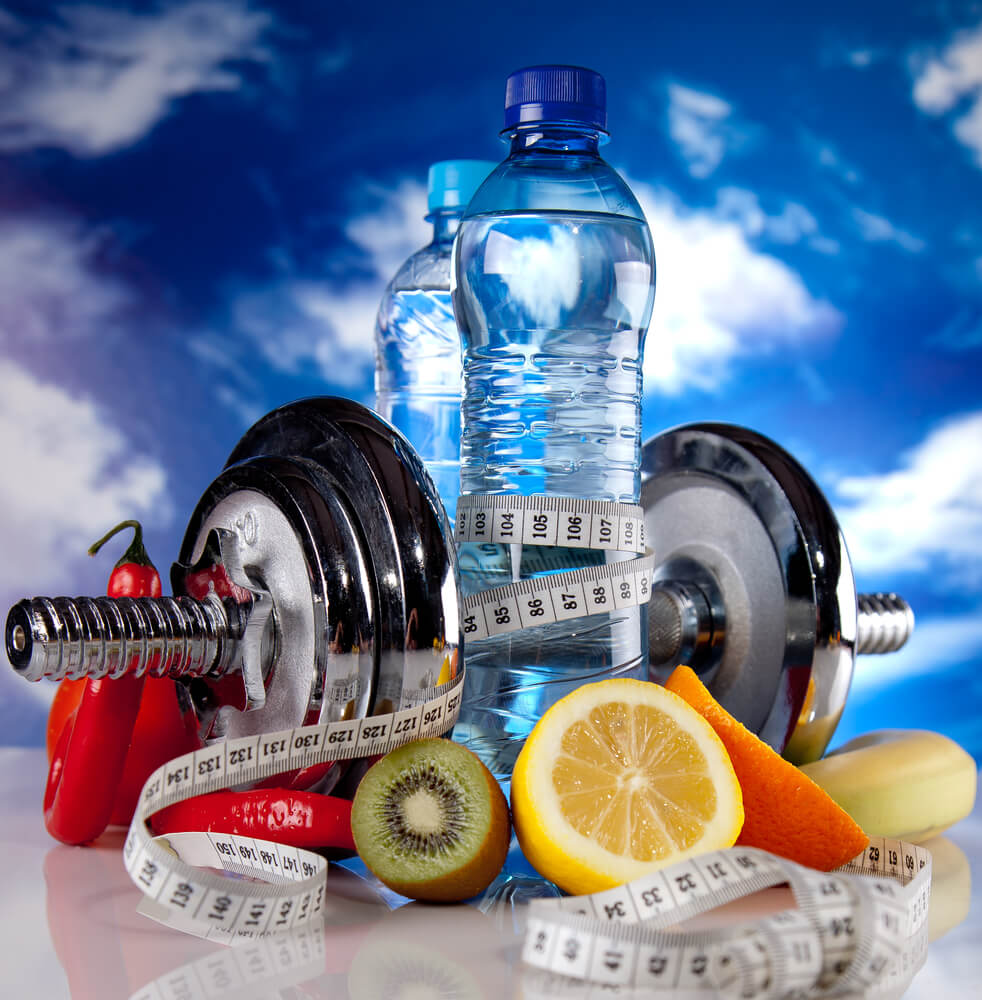
Sports nutrition degree
At a public research university like K-State, you’ll have direct access to research opportunities from the start. K-State undergraduates have studied sustainable energy, cancer cells, musical lyrics and many other topics alongside nationally renowned faculty at K-State’s 90-plus research centers.
Use your expertise to teach the next generation of sports nutritionists or conduct research that advances the field. As the demand for evidence-based practices in sports nutrition continues to grow, those with advanced degrees in nutrition science are highly sought after in academic institutions.
Our program equips you with the advanced knowledge, research skills, and practical applications needed to excel in the growing field of sports nutrition. Whether you aim to work with elite athletes, support recreational fitness enthusiasts, or advance into teaching and research roles, this degree can open the door to numerous opportunities in both the academic and professional worlds.

At a public research university like K-State, you’ll have direct access to research opportunities from the start. K-State undergraduates have studied sustainable energy, cancer cells, musical lyrics and many other topics alongside nationally renowned faculty at K-State’s 90-plus research centers.
Use your expertise to teach the next generation of sports nutritionists or conduct research that advances the field. As the demand for evidence-based practices in sports nutrition continues to grow, those with advanced degrees in nutrition science are highly sought after in academic institutions.
International society for sports nutrition
The International Society of Sport Nutrition (ISSN) was established in 2003 with a mission to become the leading professional organization in the field of sports nutrition. The ISSN is dedicated to promoting and supporting the science and application of sports nutrition and is recognized as the only not-for-profit academic-based society dedicated to sports nutrition and growing the science of applied nutrition. ISSN conferences, tutorials, lectures, and courses have been recognized by the American Dietetic Association (ADA), National Strength and Conditioning Association (NSCA), American College of Sports Medicine (ACSM), American Council on Exercise (ACE), American Physical Therapy Association (APTA), National Association of Athletic Trainers (NATA), and other organizations. The ISSN is recognized by many professionals in the field and Universities as offering the latest, cutting edge and non-biased information about the science of applied and practical sports nutrition.
The ISSN Board of Directors, ISSN Advisory Board, and JISSN Editorial Board are very excited about the JISSN becoming a BioMed Central journal. We hope that exercise and nutrition researchers and practitioners will look to the JISSN as a quality outlet for their work. In addition, we look forward to greater exposure of the ISSN and JISSN within the biomedical communities and general public as we embark on a new era of publishing the JISSN with BioMed Central.
Skeletal muscle glycogen stores are a critical element to both prolonged and high-intensity exercise. In skeletal muscle, glycogen synthase activity is considered one of the key regulatory factors for glycogen synthesis. Research has demonstrated that the addition of protein in the form of milk and whey protein isolate (0.4 g/kg) to a moderate (0.8 g/kg), but not high (1.2 g/kg) carbohydrate-containing (dextrose-maltodextrin) beverage promotes increased rates of muscle glycogen replenishment following hard training . Further, the addition of protein facilitates repair and recovery of the exercised muscle . These effects are thought to be related to a greater insulin response following the exercise bout. Intriguingly, it has also been demonstrated that whey protein enhances glycogen synthesis in the liver and skeletal muscle more than casein in an insulin-independent fashion that appears to be due to its capacity to upregulate glycogen synthase activity . Therefore, the addition of milk protein to a post-workout meal may augment recovery, improve protein balance, and speed glycogen replenishment.
Total protein and calorie intake appears to be the most important consideration when it comes to promoting positive adaptations to resistance training, and the impact of timing strategies (immediately before or immediately after) to heighten these adaptations in non-athletic populations appears to be minimal.